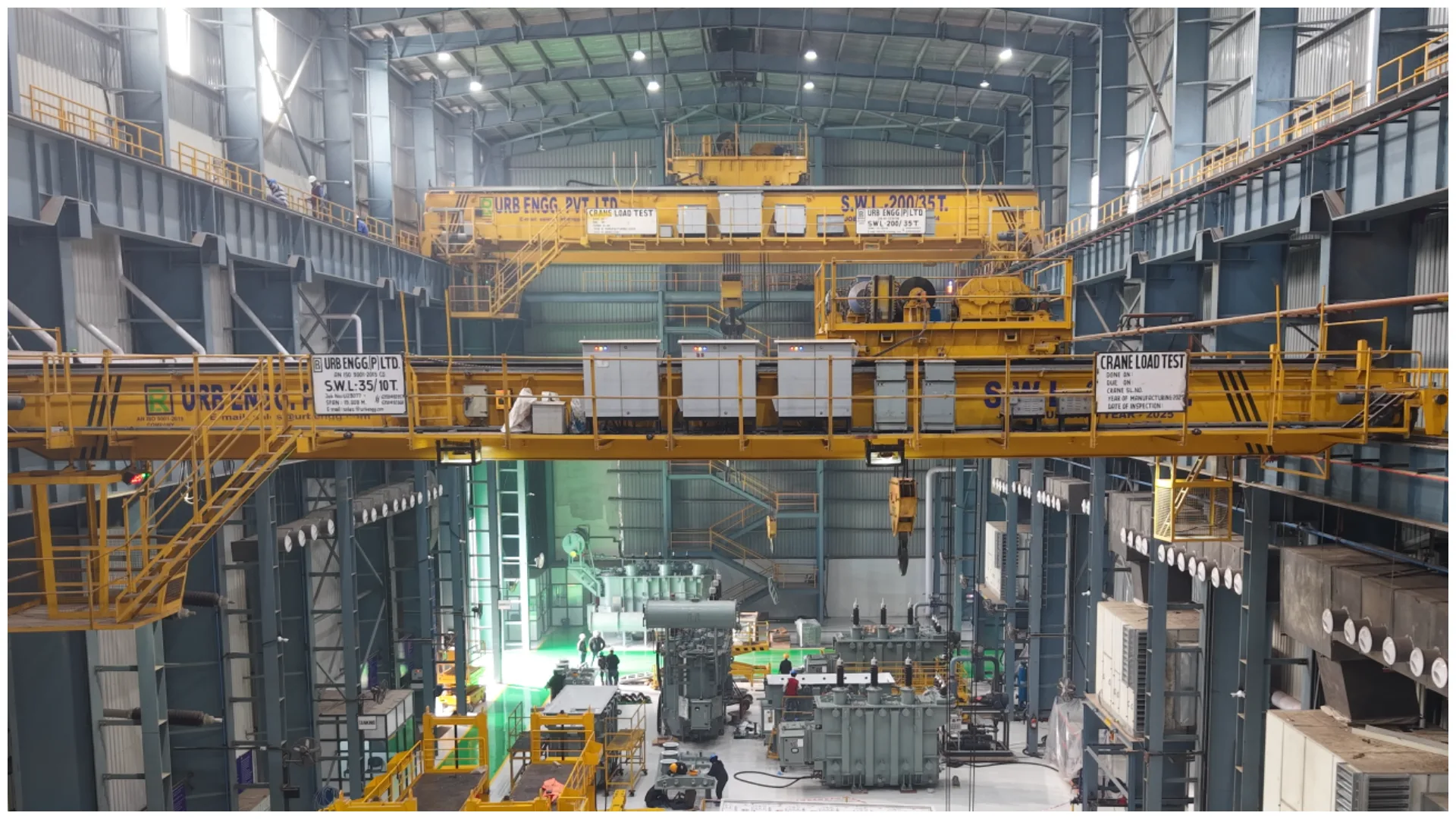
Power transformers are an essential part of modern electrical infrastructure. They enable efficient transmission and distribution of electrical energy across different voltage levels, supporting industries, utilities and critical infrastructure.
Manufacturing Precision and Core Cutting Technology
This is where many suppliers fail quietly. Even when the raw material is of high quality, poor processing can lead to increased core losses, excessive noise, and reduced transformer efficiency. Look for suppliers that use advanced manufacturing techniques such as step-lap core cutting, CNC-based precision slitting, and burr-free edge processing. A well-processed core ensures better flux distribution, minimizes vibration, and ultimately contributes to improved transformer performance, reliability, and efficiency.
Consistency and Batch Reliability
One good batch doesn’t define a good supplier. A reliable supplier should consistently deliver high-quality material across multiple batches, with uniform magnetic properties and dependable delivery timelines. The real question is whether the supplier can maintain the same level of quality six months or even years down the line. In large-scale transformer manufacturing, inconsistency in material quality can lead to production delays, performance variations, increased rejection rates, and hidden costs.
Transformers enable electricity to travel over long distances efficiently by operating transmission systems at higher voltage levels.
Compliance with Standards and Certifications
In 2026, compliance is non-negotiable.
Your supplier should align with:
- IS / IEC standards
- Energy efficiency norms
- Environmental regulations
- Test certificates (loss data, permeability)
- Third-party validation (if applicable)
- Lack of proper certification can delay projects and create approval issues later.
Factors That Influence Transformer Performance
Transformer performance depends on several factors. Design accuracy, material selection, manufacturing processes, insulation systems, cooling arrangements and testing procedures all contribute to reliable operation.
1. Core Design
The transformer core provides the magnetic path required for electromagnetic induction. High-quality core materials and precision manufacturing help minimize losses and improve efficiency.
2. Coil Winding
Accurate coil winding is essential for maintaining electrical and mechanical integrity. Controlled winding processes help ensure consistent performance under operating conditions.
3. Insulation System
A reliable insulation system protects the transformer from electrical stress and helps maintain long-term operational reliability.
4. Testing & Quality Control
Comprehensive testing and inspection help verify electrical performance, safety and compliance before a transformer is delivered to the customer.
The Importance of Quality Manufacturing
Manufacturing quality directly influences the operational life and reliability of a transformer. Precision engineering, controlled manufacturing environments and rigorous inspection processes help deliver dependable transformer solutions.
Reliable power infrastructure begins with engineering precision, manufacturing excellence and uncompromising quality.
Conclusion
Power transformers play a fundamental role in modern electrical networks. From generation and transmission to industrial applications, their reliability directly contributes to the stability and efficiency of power systems.
As power infrastructure continues to evolve, advanced engineering, quality manufacturing and comprehensive testing will remain essential to developing reliable transformer solutions.